
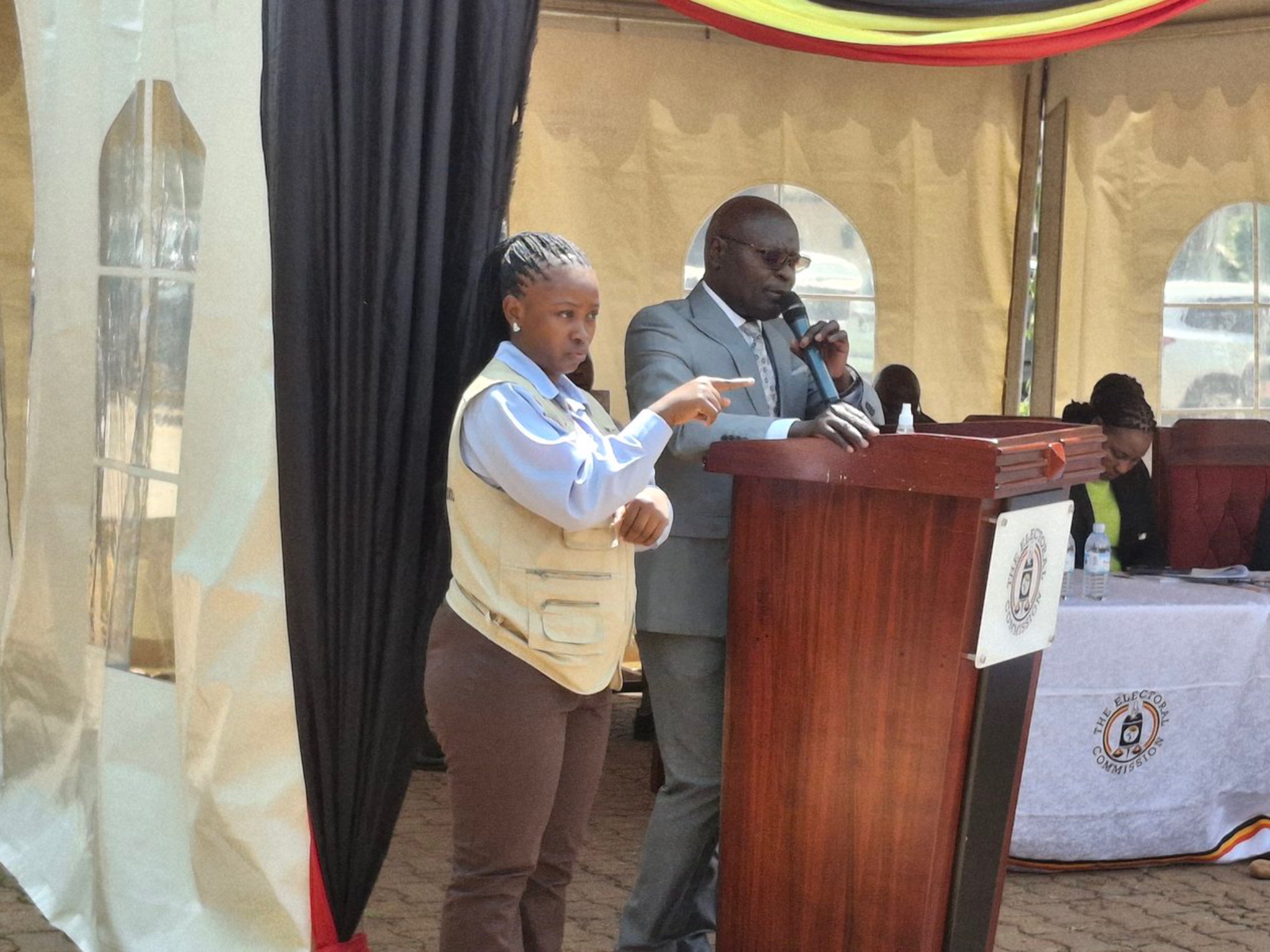
The Electoral Commission (EC) has officially released the programme for the 2026 Administrative Units Elections, setting the stage for Ugandans to elect their Village (LC I) and Parish/Ward (LC II) leaders. EC Chairperson Justice Simon Byabakama Mugenyi announced the roadmap on Monday, initiating the preparation phase for the grassroots polls.
Justice Byabakama detailed that the electoral process will commence with the recruitment of Village Election Officials from June 22 to July 1, 2026. Simultaneously, Sub-county and Parish Supervisors will be recruited on June 25, 2026, laying the groundwork for the smooth conduct of the elections.
A key phase involves the verification of residents and compilation of the Village (LC I) General Voters Registers, scheduled from July 6 to July 10, 2026, with July 10 marked as the cut-off date for eligibility. The provisional Village voters’ register will then be displayed for public scrutiny on July 13 and 14, allowing citizens to verify their details.
Aspiring candidates for LC I positions can obtain nomination forms between July 9 and July 14, 2026, at the parish level. Nominations for Village (LC I) Chairperson candidates are slated for July 15 to July 19, taking place at Sub-county, Town Council, and Division headquarters. Campaigns will commence from the 20th to 27th July, while voting by lining up will take place on July 28.
The focus then shifts to the Parish/Ward level. The compilation of the Parish/Ward voters’ register is scheduled for July 29, 2026, followed by its display on July 30 and 31. Nominations for Parish/Ward (LC II) Chairperson candidates will be conducted on August 3, leading into campaigns from August 4 to August 9.
The climax of the LC II electoral process will be Polling Day, set for August 10, 2026, when citizens will cast their votes for their Parish/Ward Chairpersons.
Justice Byabakama underscored the importance of collective participation, urging all stakeholders—including voters, aspiring candidates, incumbent local leaders, political actors, and election officials—to actively engage in the electoral process. He emphasized adherence to established guidelines to ensure these foundational elections are free, fair, and credible, thereby strengthening local governance across Uganda.





Copyright ©Teso Vibez is a brand of Teso Vibez Digital (u) Ltd
.
