
By Nathan Eyagu
For years, the silence that covered Teso was not a sign of peace it was the quiet weight of pain carried by a people who had seen too much.
During the height of the insurgency led by Joseph Kony, life in Teso was shattered. Villages were raided, homes abandoned, and livelihoods destroyed. The loss of cattle central to the identity and pride of the Iteso cut deeper than words could explain. Families were displaced into camps, where survival became the only goal. Children grew up in fear, and hope often felt like a distant dream.
Yet even in that darkness, the Iteso did not lose themselves.
They remained silent—not because they were weak, but because they were waiting.
The Iteso are known for their patience. They observe. They endure. They take their time. But when they finally respond, they do so with a unity and determination that cannot be shaken. And when that moment came, communities rose together. Local defense groups formed, courage replaced fear, and slowly, the rebels were pushed out. Teso reclaimed its land, its dignity, and its identity.
That spirit never disappeared. It only grew quiet again.
Today, it is rising once more not through conflict, but through unity, culture, and a renewed sense of belonging.
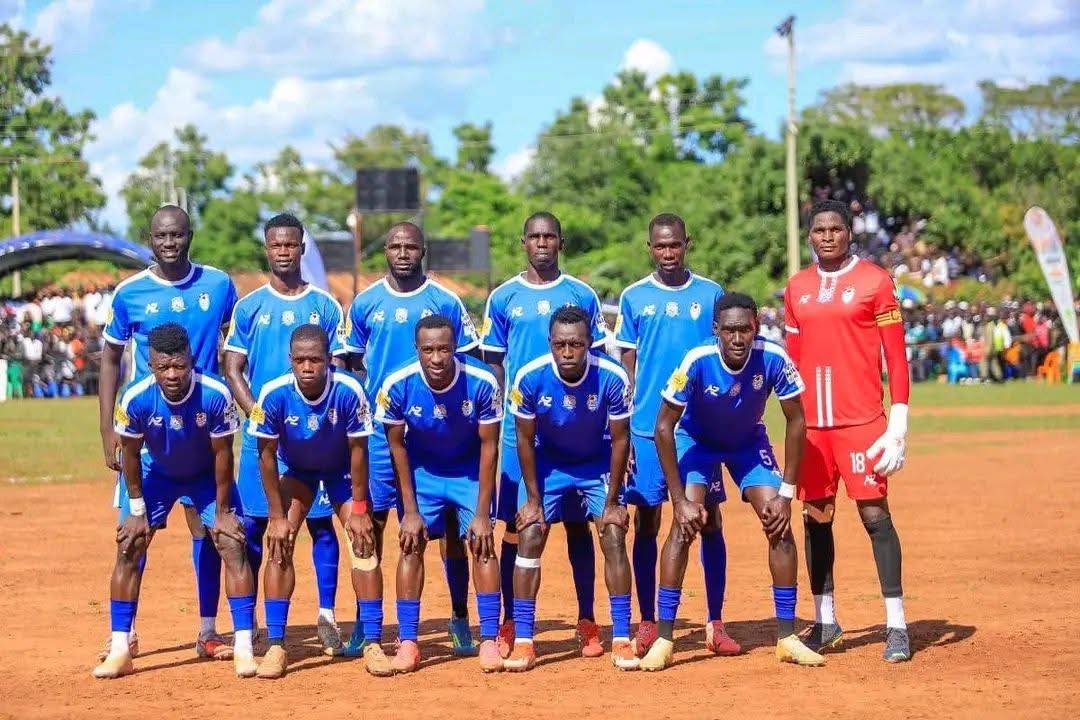
The recent clashes in the FUFA Drum between Teso and Lango have awakened emotions that run far deeper than football. Across the region, people mobilized in extraordinary numbers. From villages to towns, the call to stand for Teso spread with urgency and pride. Roads filled with supporters, voices echoed with determination, and for a moment, it felt as though the region was reliving its history this time, in unity.
In a powerful show of solidarity, the Kumam Cultural Institution stood side by side with the Iteso, joining hands to mobilize and travel together in support of the team. It was a rare and emotional moment two communities moving as one, bound by shared heritage and a common purpose.
Amid this resurgence of unity, the voice of leadership also rose to guide the moment. Papa Paul Sande Emolot, the Emorimor, called upon leaders, well-wishers, and all sons and daughters of Teso to come together and support the people of the region. His message was clear and deeply rooted in the history of the Iteso that unity is their greatest strength, and that progress can only be achieved when they stand together.
His call resonated across the region, reinforcing what many were already beginning to feel: that this was more than a game, more than a moment it was a movement.
Even though the results on the pitch did not fully favor Teso, the spirit displayed told a far greater story. The unity, the pride, and the collective energy reflected a people reconnecting with who they are.
For many, the FUFA Drum became a symbol of healing a reminder that despite the scars left by the past, Teso remains strong, resilient, and united.
From the shadows of war to the roar of football crowds, one truth stands clear:
The spirit of Teso cannot be broken.
It may go silent. It may take time.
But when it rises, it rises with purpose and the world cannot ignore it.




Copyright ©Teso Vibez is a brand of Teso Vibez Digital (u) Ltd
.
