
By Nathan Eyagu
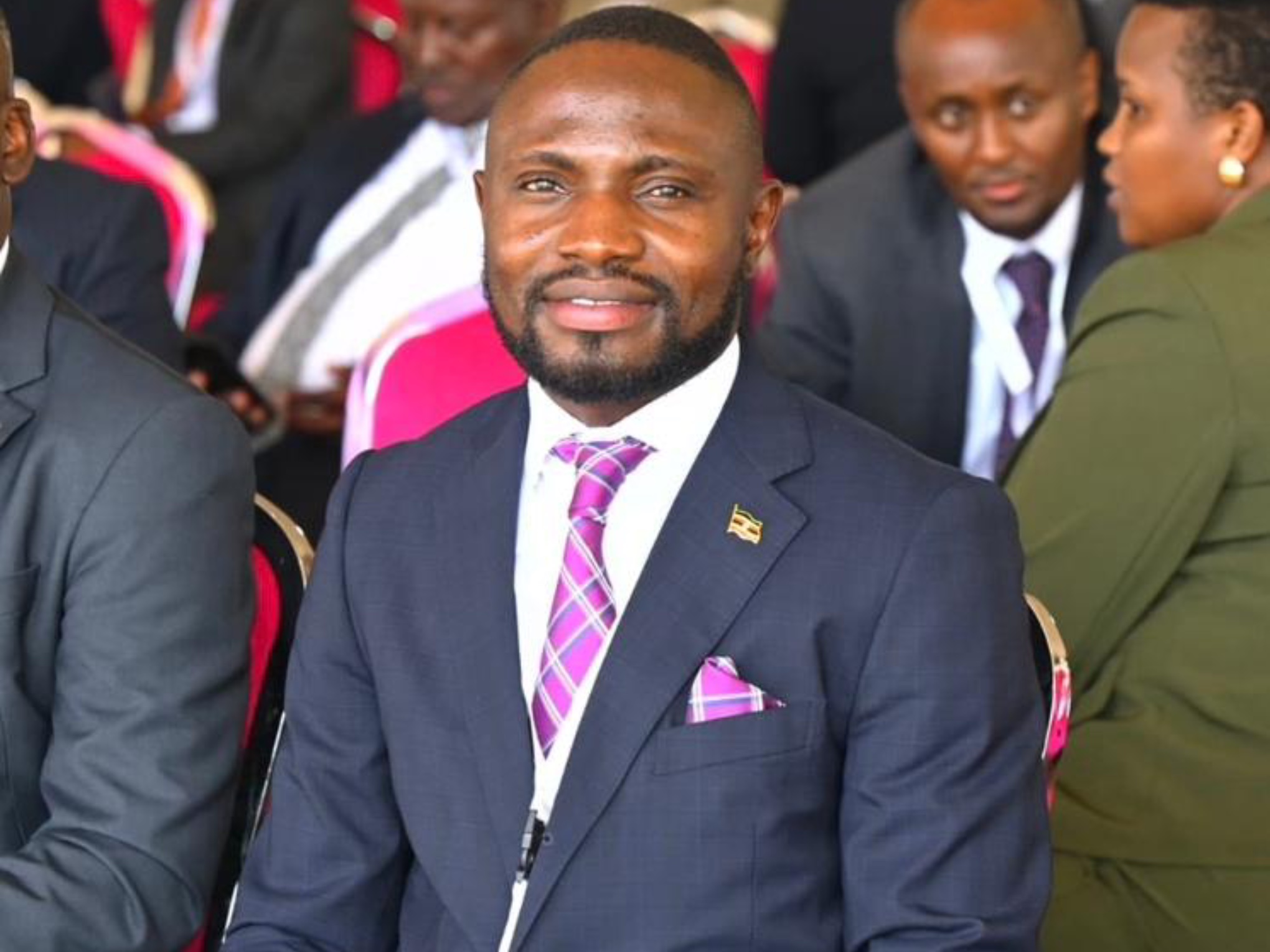
Kasilo County Member of Parliament Peter Paul Emaju has spoken out following widespread criticism and online debate sparked by claims that he asked Parliament to facilitate foreign travel for spouses of legislators using public funds.
The controversy gained momentum after reports circulated on social media and online platforms alleging that Emaju had questioned whether the parliamentary travel budget could cater for spouses accompanying MPs on official trips abroad.
The reports triggered public backlash, with some citizens accusing lawmakers of seeking additional privileges at a time when concerns over government expenditure and service delivery remain high.
However, addressing the matter on Thursday, Emaju dismissed the claims as misleading and taken out of context, insisting that he never requested Parliament to finance travel for MPs’ spouses.
“My remarks have been misrepresented,” Emaju said. “I was not asking Parliament to fund spouses’ travel. The issue came up during an induction session for newly elected MPs and was purely administrative in nature.”
According to the legislator, the discussion arose during a briefing on medical cover and emergency travel arrangements for Members of Parliament.
Emaju explained that his inquiry focused on whether Parliament’s administrative framework allows coordinated travel documentation and facilitation for spouses in emergency situations, particularly where an MP may require medical treatment abroad.
“I was seeking clarification on whether, in situations involving emergency medical travel, the documentation and facilitation processes can accommodate coordinated travel arrangements for spouses travelling alongside MPs,” he explained.
“It was not a proposal for additional benefits or public funding for spouses.”
The MP further stated that the Clerk to Parliament later clarified the issue after initially misunderstanding the context of the question raised during the induction discussions.
Emaju defended his decision to seek clarification, saying legislators have a responsibility to understand institutional procedures and policies that affect their work and welfare.
“As MPs, part of our oversight role includes seeking clarification on administrative procedures and policy interpretation. Unfortunately, selective reporting distorted the actual concern that was raised,” he noted.
The incident has sparked broader public discussion about parliamentary privileges and transparency in the management of public resources.
Political observers say the controversy demonstrates the increasing role of social media in shaping public opinion, particularly on issues involving government spending and elected leaders.
Analysts also warn that statements made in informal or administrative settings can quickly become politicized once shared online without full context.
Despite the backlash, Emaju maintained that his inquiry was legitimate and intended to ensure clarity on emergency medical travel procedures within Parliament’s existing administrative structures.
He urged both the public and media outlets to report parliamentary matters responsibly and accurately in order to avoid misinformation and reputational damage.
The debate comes amid growing public scrutiny over government expenditure, with citizens increasingly demanding accountability and prudent use of taxpayer resources from public officials and institutions.


Copyright ©Teso Vibez is a brand of Teso Vibez Digital (u) Ltd
.