
By James Alomu
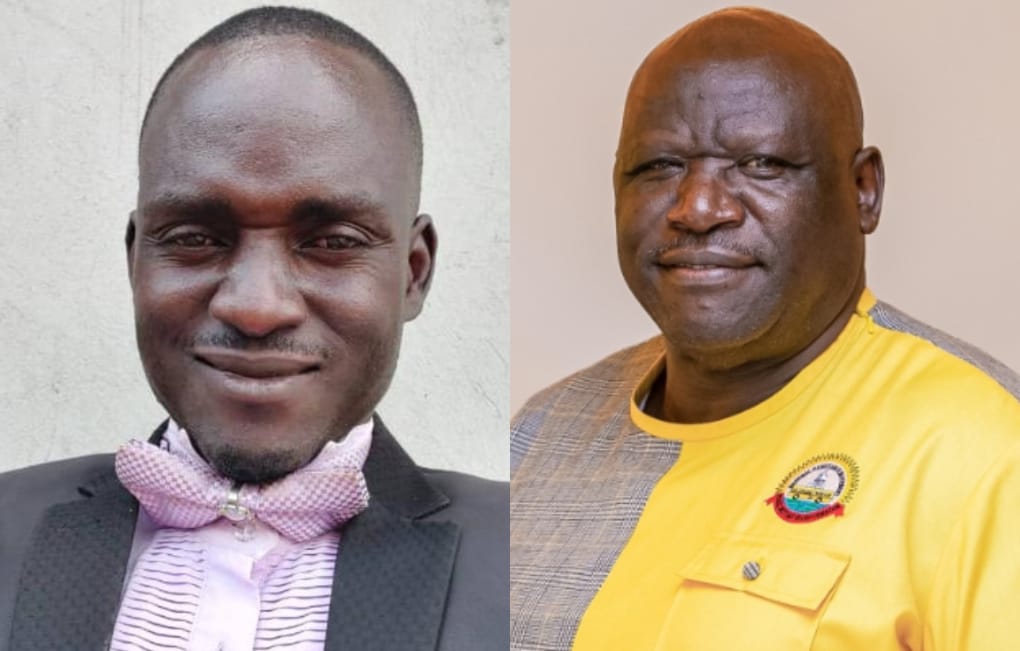
The Iteso Cultural Union (ICU) has hit back at the ruling National Resistance Movement (NRM) over remarks linking Teso’s long-awaited cattle restocking programme to the retention of key political offices in the sub-region. ICU Information Minister Stephen Ojacor described the comments as misleading and demeaning to the people of Teso.
Speaking in response to statements made by NRM Director of Communications Emmanuel Dombo, Ojacor emphasized that the development of Teso should not be reduced to the political survival of a few leaders.
“Teso is bigger than individual leaders. Don’t tie our cows to politics,” Ojacor said. “Cattle restocking is a cultural and economic concern for the Iteso. Whether we continue demanding or not, linking it to positions like Vice President or Speaker only makes us a laughingstock.”
Dombo had earlier suggested that the success of the cattle restocking programme would largely depend on whether leaders from Teso retained influential positions, notably the Speaker of Parliament and the Vice President. He encouraged the people of Teso to “pray hard” for their leaders to maintain these roles, which he described as strategic for implementing government programmes, including cattle rehabilitation.
Ojacor countered that ordinary citizens do not determine who becomes Speaker of Parliament or Vice President, as such decisions are made within party structures and parliamentary processes. He urged the government to engage the people of Teso with dignity and respect, providing clear timelines and commitments on the cattle restocking programme rather than politicizing it.
Civil society has also weighed in on the matter. Benson Ekuwe, Executive Director of the Public Affairs Centre-Uganda, said Teso’s development should be guided by issue-driven leadership and strong advocacy, rather than the political positions held by a few individuals.
The debate underscores growing frustration in Teso over delayed cattle rehabilitation, with residents and leaders demanding concrete policies and action rather than rhetoric linking development programmes to political office.




Copyright ©Teso Vibez is a brand of Teso Vibez Digital (u) Ltd
.
