
By Nathan Eyagu
Soroti City — The National Drug Authority (NDA) has called for improved professionalism and compliance among herbal medicine practitioners in the Teso sub-region as part of efforts to strengthen the regulation and safety of herbal products.
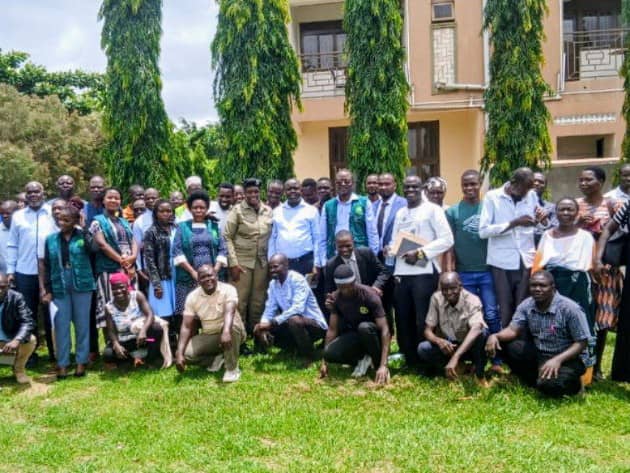
The call was made during a stakeholder engagement meeting held on Tuesday at Sparrow Hotel in Soroti city, bringing together herbal medicine dealers, security officials, district leaders, health inspectors, and other stakeholders to discuss challenges and opportunities within the herbal medicine sector.
Speaking during the meeting, Dr. Mutyaba Michael Romeo, Manager for Traditional and Complementary Medicine at the Directorate of Product Assessment and Registration at the National Drug Authority, urged herbalists to operate from professional and recognizable premises.
He noted that some practitioners currently operate from makeshift or poorly structured facilities, which undermines public confidence in their products.
Dr. Mutyaba also revealed that the NDA is in discussions with Soroti University to establish a research center in Soroti. The proposed facility is expected to improve access to research and testing services for herbalists who currently travel long distances to Kampala for product verification and scientific assessment.
Security officials also raised concerns about the sale of herbal medicines on the streets. Tushemereire Irene, Officer in Charge of Station at Soroti Central Police Station under the Uganda Police Force, warned that authorities cannot allow the sale of drugs in public spaces.
She advised herbalists to operate from permanent and traceable locations and encouraged closer cooperation between the police, the NDA, and herbal practitioners, particularly in handling complaints from clients that may affect the credibility of legitimate dealers.
Meanwhile, the Assistant Resident District Commissioner for Soroti District, Mutai Victor, expressed concern about the growing number of herbalists operating without proper registration.
He noted that some practitioners operate in unsuitable environments that are not welcoming to clients and difficult for authorities to trace if issues arise.
Mutai emphasized the importance of establishing permanent outlets and obtaining licenses, saying the engagement had helped raise awareness among herbalists about the need to follow proper regulatory procedures.
He also pointed out that many herbal medicines are sold without proper dosage guidelines and encouraged practitioners to work with research institutions to gain knowledge on safe dosage and product standards.
Representing herbal practitioners in the region, Dr. Waiswa Saidi Ambali, Chairperson and Coordinator of the Teso Region Herbalists Association, said many herbalists have already submitted their products to research institutes and are awaiting results.
According to Dr. Waiswa, the association represents about 1,500 herbalists in the region, although some unregistered practitioners continue to operate outside the association, affecting the reputation of those who follow proper procedures.
He noted that many herbalists fear revealing the ingredients used in their medicines due to concerns that their knowledge could be exploited by foreign entities.
Dr. Waiswa also highlighted the long distance to research facilities in Kampala and the lengthy process of receiving results as major challenges for herbal practitioners seeking to register their products.
He added that some herbal medicines used to treat conditions such as ulcers, infections, infertility among couples, and immune-related illnesses have been on the market for decades, although not all are certified by the Uganda National Bureau of Standards (UNBS).
The District Drug Inspector and District Health Inspector, Ekodeu Emmanuel, called for the establishment of a regional training and research center in Soroti to ease access for herbalists.
He also encouraged practitioners to submit testimonies from clients who have benefited from their medicines to district health offices so that verified information can be shared with the public.
Ekodeu further revealed that Soroti University has allocated 10 acres of land for the cultivation of medicinal herbs that are at risk of extinction under the university’s Department of Research and Innovation.
He emphasized that herbal medicine has saved many lives and encouraged practitioners to maintain professionalism while seeking more knowledge from medical specialists.
Meanwhile, Fredrick Ssekyana, Public Relations Officer at the National Drug Authority, clarified that the process of notifying herbal products to the authority is simple and affordable.
He explained that locally produced herbal products require a notification fee of 50,000 Ugandan shillings, while imported products attract different charges depending on their country of origin, including up to 500 US dollars for some international products.
Ssekyana also encouraged herbalists to utilize the NDA’s regional offices for guidance and support in improving their operations.
According to the NDA, more than 400 herbal product notifications have been recorded from local manufacturers across Uganda. However, only three of these originate from the Teso sub-region, including products from Jena Herbals owned by Professor Patrick Ogwang.
The engagement meeting aimed to boost confidence among herbal practitioners and encourage them to comply with regulatory procedures to improve the safety, credibility, and growth of the herbal medicine industry in the Teso sub-region.







Copyright ©Teso Vibez is a brand of Teso Vibez Digital (u) Ltd
.
