
By Nathan Eyagu
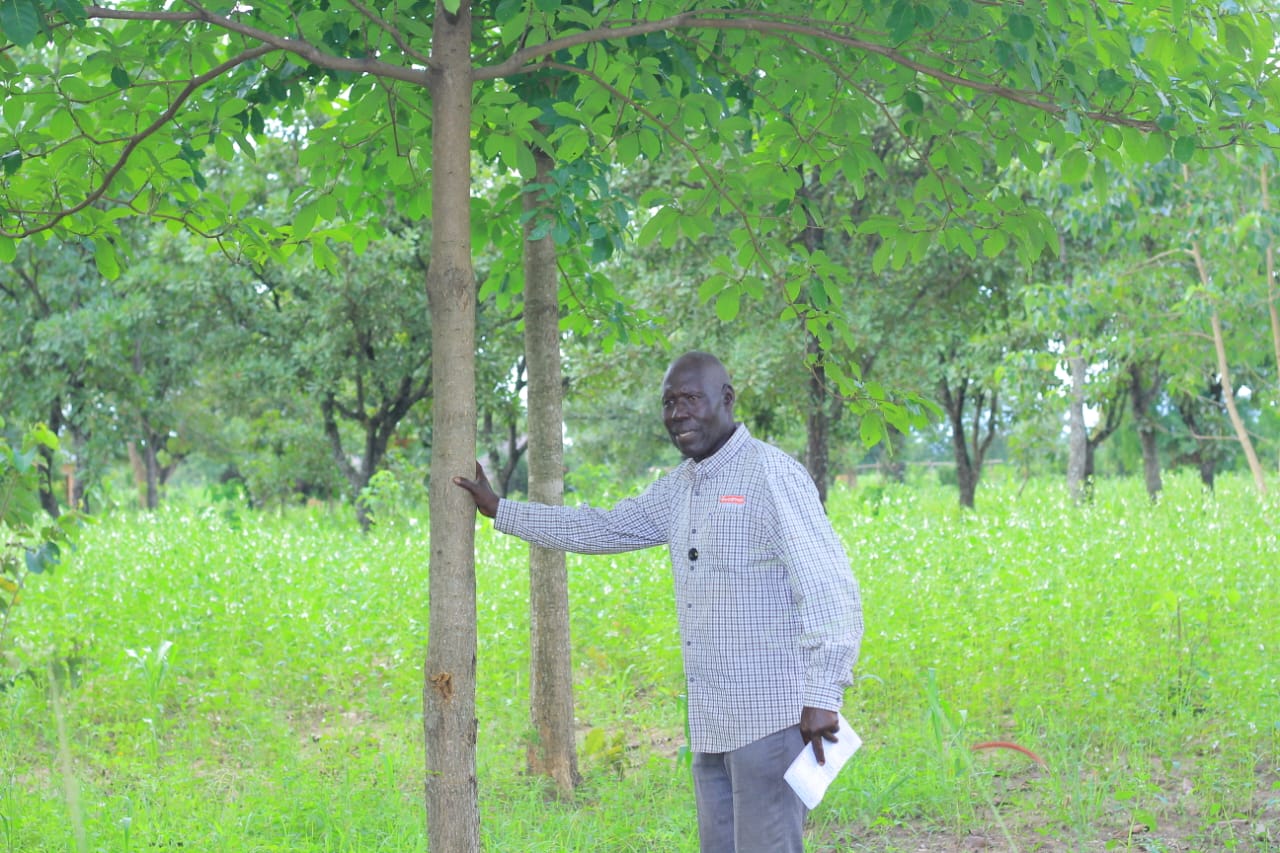
AMURIA - In the rural landscapes of Amuria district in northeastern Uganda, a quiet but determined environmental movement is taking shape on a family-owned farm in Opadoi village, Katine Parish, Abarilera County. At the center of this initiative is a 67-year-old farmer, Francis Edison’s son, who has spent decades transforming his land into a living demonstration of climate change adaptation and sustainable agriculture.
Speaking from his expansive farm, he reflected on his long-standing commitment to environmental conservation, rooted in early exposure to climate science literature and national environmental messaging. He noted that inspiration also came from government campaigns led by President Yoweri Museveni, particularly calls to protect wetlands and promote large-scale tree planting across Uganda.
“I became very interested in trees, especially those that can help fight climate change and also support livelihoods,” he explained, pointing to extensive plantations of indigenous and exotic tree species spread across his land.
A key feature of the farm is the cultivation of shea butter trees, which he described as both economically and ecologically significant in the sub-region. While scientific research on the species continues, he emphasized beliefs held by some environmental advocates that mature tree systems contribute significantly to carbon storage, soil restoration, and microclimate regulation.
The farm has evolved into a mixed agroforestry system, integrating fruit orchards such as oranges, indigenous vegetation, and fast-growing tree species. According to the farmer, this diversity allows different plants to draw nutrients from varying soil depths, enabling ecological balance and long-term sustainability.
“This is not just a forest for timber. It is a climate solution. We are now focused more on conservation than cutting trees,” he said, adding that earlier intentions for timber harvesting have been largely abandoned in favor of preservation.
He also highlighted the role of the forest in supporting biodiversity and community livelihoods. Residents reportedly collect fruits such as mangoes and tamarinds for nutrition, while medicinal herbs thrive under the canopy. Small wildlife, including squirrels, have also returned to the area, benefiting from the restored habitat.
The project, however, faces challenges, particularly the risk of bushfires, which threaten to destroy years of ecological restoration efforts. Local community members and forest rangers occasionally intervene to control fire outbreaks and protect the plantation.
The farmer further argued that tree belts may play a role in improving local rainfall patterns and preventing desert-like conditions from spreading into neighboring areas such as Karamoja. While such claims remain part of ongoing environmental discussions, the broader emphasis of his work is clear: building resilience against climate variability through tree planting and conservation.
Neighboring resident Alago Brenda praised the initiative, noting that the forest has significantly improved access to firewood and reduced the need for long-distance travel in search of energy resources. “This forest is extremely helpful to us. It supports our daily needs,” she said.
As climate change continues to affect agricultural communities across Uganda, the Opadwe village project stands as a grassroots example of how local innovation, traditional knowledge, and environmental awareness are converging to shape sustainable futures in rural northeastern Uganda.






Copyright ©Teso Vibez is a brand of Teso Vibez Digital (u) Ltd
.
