
By Nathan Eyagu
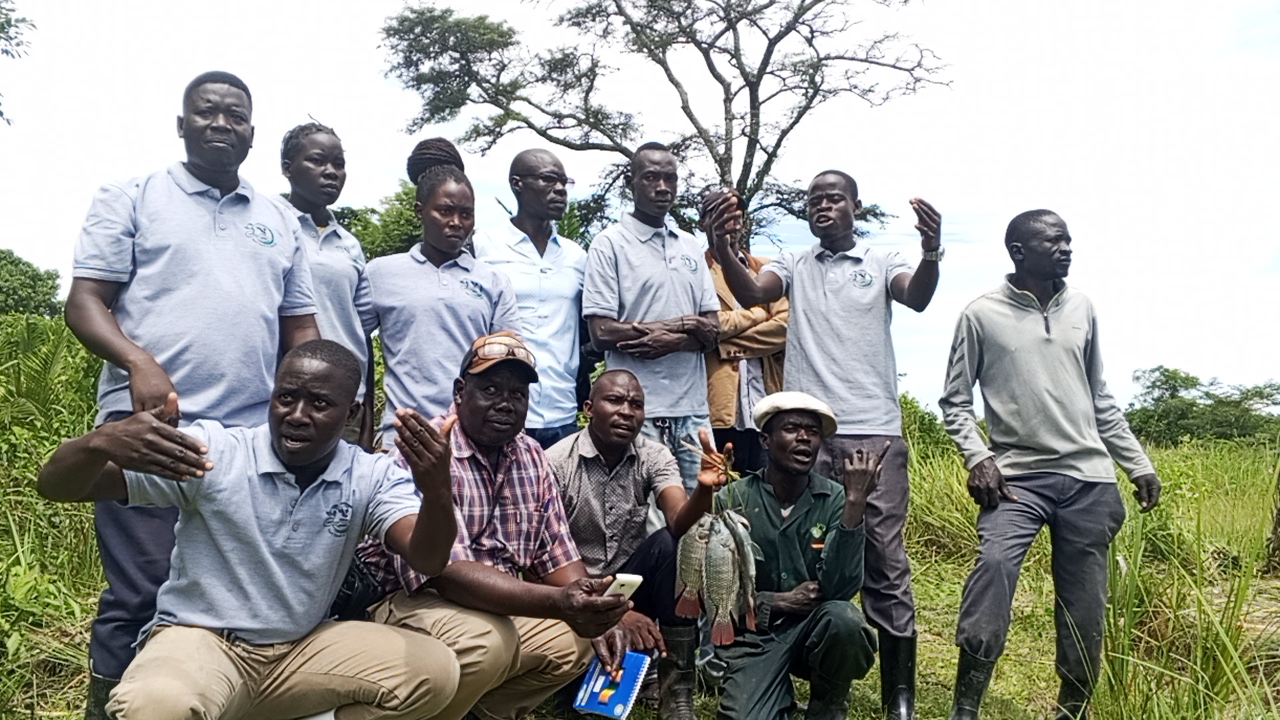
SOROTI - In Tubur Sub-county in Soroti District, eastern Uganda, a group of determined young people is rewriting their economic story through fish farming, as unemployment continues to challenge rural communities across the region.
Operating under the ACHUNA Agricultural Youth Development Group, the youth have embraced aquaculture as a practical solution to joblessness, low household incomes, and food insecurity. Their initiative is steadily gaining recognition as a model of youth-driven agribusiness in the area.
The group, which brings together 50 registered members from eight villages in Achuna Parish, was formed two years ago with a vision of promoting self-reliance through agriculture. Initially engaged in crop production and livestock rearing, the members later diversified into fish farming as a more profitable and scalable venture.
According to the group chairperson, Mr. Ekwalu James, the idea emerged from frustration over limited employment opportunities and a desire to create sustainable livelihoods.
“We started this journey to change our lives. This is our first fish harvest, and it has encouraged us to continue expanding,” he said.
The group’s fish pond, measuring approximately 8 by 16 metres, was stocked with 200 catfish and 600 tilapia fingerlings. These species were selected due to their high market demand and adaptability in local aquaculture conditions.
Despite the early success, the youth continue to face significant challenges, particularly the high cost of fish feeds, medication, and basic farming equipment. Limited access to government funding has also slowed expansion efforts, forcing members to rely heavily on internal contributions.
“We are harvesting earlier than expected because of financial constraints. Feed is expensive, and we have not yet received external support,” Mr. Ekwalu explained.
Security and environmental challenges have also affected production. The pond lacks fencing and lighting, making it vulnerable to theft and predators such as birds and monitor lizards. However, the group remains committed to improving infrastructure and safeguarding their investment.
The project coordinator, Mr. Pius Odulai, described the initiative as a pilot model demonstrating the potential of aquaculture in Tubur Sub-county and the wider Soroti District.
He noted that fish farming has proven more profitable than other agricultural ventures he previously managed, including greenhouse farming and mushroom production.
“Fish farming has shown strong commercial potential. In just a few months, we already have fish reaching nearly two kilograms,” he said.
Local authorities have praised the initiative. The Tubur Sub-county Agricultural Officer, Mr. Frank Opolot, commended the youth for taking practical steps to address unemployment and urged them to scale up production.
“These young people are demonstrating what is possible with commitment and teamwork. With proper support, this project can grow into a major income-generating activity,” he said.
Similarly, fisheries officials from Soroti District advised the group to transition from small-scale production to commercial fish farming by increasing pond size, improving feed quality, and using certified fingerlings from approved hatcheries.
Beyond income generation, the project is also contributing to local food security and nutrition. Fish from the ponds are currently sold within surrounding communities at approximately UGX 10,000 per kilogram.
Residents have welcomed the initiative, noting its positive impact on access to fresh fish and reduced travel distances in search of food and firewood alternatives. One community member, Alago Brenda, said the project has brought tangible benefits to households in the area.
“This forest and fish project help us a lot. We no longer travel far to get resources,” she said.
Across Uganda, aquaculture is increasingly being promoted as a solution to declining fish stocks from natural water bodies. According to the Ministry of Agriculture, Animal Industry and Fisheries, tilapia and catfish remain the dominant farmed species, making up the majority of national production.
As youth unemployment continues to rise, especially in rural districts like Soroti, the Tubur fish farming initiative stands out as a promising example of how local innovation and collective effort can create sustainable economic opportunities.








Copyright ©Teso Vibez is a brand of Teso Vibez Digital (u) Ltd
.