
By Our Reporter
Soroti Regional Referral Hospital (SRRH) is grappling with a worrying rise in abortion-related complications, with an average of 80 women admitted every month due to unsafe or botched abortions, hospital officials have revealed.
Abortion refers to the termination of a pregnancy through the removal or expulsion of an embryo or fetus. In most contexts, the term commonly refers to induced abortion—deliberate actions taken to end a pregnancy. Health experts warn that when carried out unsafely, abortions pose serious risks to women’s health and can be fatal.
Dr. Irene Chebet, a senior gynecologist and obstetrician at SRRH, attributes the growing number of abortion cases to a combination of pregnancy complications and intentional terminations. She notes that infections such as malaria play a significant role in triggering pregnancy loss, though some cases are linked to unplanned and poorly managed pregnancies.
“Many mothers do not plan for their pregnancies, and in some cases, they are mismanaged,” Dr. Chebet said.
She emphasized the importance of pregnancy planning and preconception care, urging women to seek medical screening before conception. According to Dr. Chebet, early detection and treatment of infections like malaria, coupled with proper dietary guidance, can greatly improve pregnancy outcomes.
Dr. Chebet also cautioned expectant mothers against excessive alcohol consumption and smoking, stressing that healthy lifestyle choices are critical to supporting a safe pregnancy.
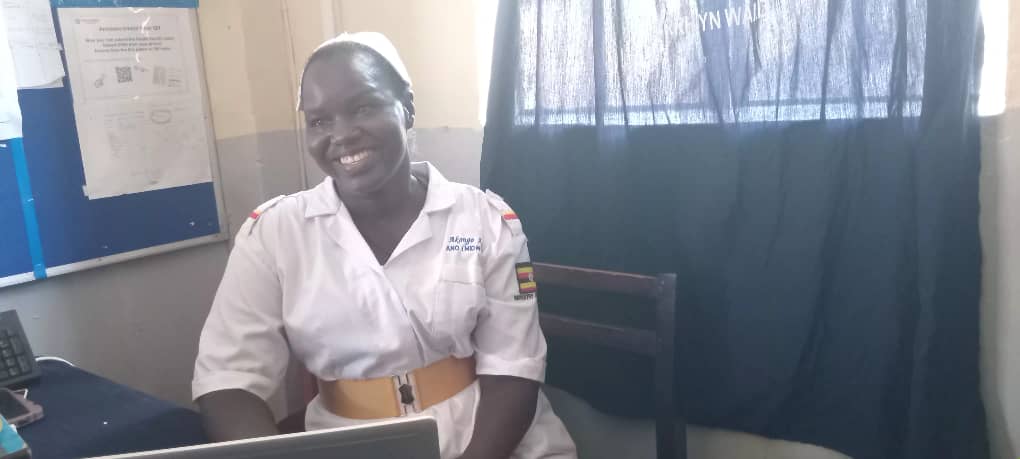
Hospital records paint a grim picture. According to Ms. Agnes Akongo, SRRH reports indicate that in 2024 alone, the hospital registered 778 abortion cases, two of which resulted in death. By December 2025, the hospital had already recorded 520 cases.
“On average, we register about 80 abortion cases every month. For instance, in August we had 107 cases, September 90, October 82, November 96, and December 81,” Ms. Akongo said.
She explained that many fatalities occur because patients delay seeking medical attention. “By the time some women reach the referral hospital, it is often too late for effective intervention,” she noted.
Ms. Akongo added that once patients are stabilized, health workers introduce them to family planning options, including pills, implants, and counseling on other contraceptive methods.
“We want the uterus to rest for a minimum of six months. That is why we put patients on family planning, to minimize repeat cases and reduce deaths due to abortion,” she said.
Despite ongoing efforts, Ms. Akongo acknowledged that hospital-based sensitization alone is insufficient. She called for intensified community outreach to educate women and girls about the dangers of unsafe abortions and the importance of early medical care.
One survivor, Sarah Akol (not her real name), a 17-year-old student, recounted her ordeal after seeking treatment at SRRH following an unsafe abortion. Akol said she became pregnant unexpectedly and feared judgment from her community, prompting her to terminate the pregnancy.
The decision nearly cost her life.
She now warns fellow adolescents to avoid teenage pregnancy, encouraging them to use family planning methods where necessary, remain in school, and avoid the life-threatening risks associated with unsafe abortions.
Recent estimates for 2024 indicate that Uganda continues to experience a high number of induced abortions, with a significant proportion classified as unsafe. Health experts say the trend underscores the urgent need for comprehensive reproductive health education, accessible family planning services, and stronger community sensitization to protect women’s lives.








Copyright ©Teso Vibez is a brand of Teso Vibez Digital (u) Ltd
.
