
By James Alomu
The Teso sub-region has emerged as one of the hardest hit areas in Uganda’s deepening youth unemployment crisis, with new data showing that nearly one in three young people is without work. According to a report released by the Uganda Bureau of Statistics (UBOS), youth unemployment in Teso stands at 32.8%, placing it among the highest in the country.
The findings highlight a troubling pattern across eastern Uganda, where regions such as Bukedi and Busoga are also experiencing elevated unemployment levels. Analysts say the situation in Teso reflects long-standing structural challenges, including limited industrial growth, a weak private sector, and a mismatch between skills acquired through education and the demands of the labour market.
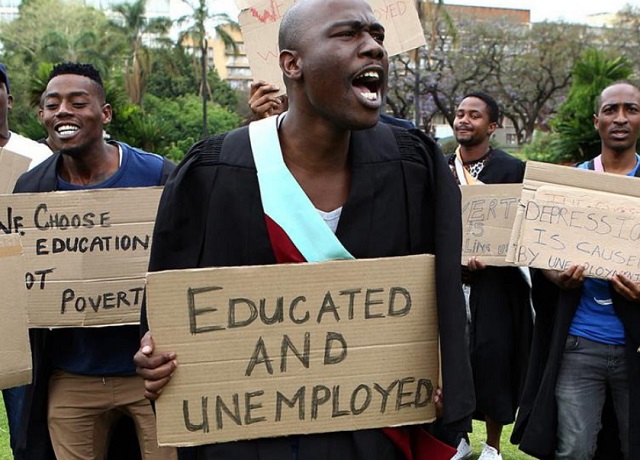
Despite increasing access to education in recent years, the report reveals that higher levels of training do not necessarily translate into better employment outcomes. Youth with post-primary specialised training and above face the highest unemployment rates nationally, suggesting that many graduates in regions like Teso are leaving school without skills that align with available job opportunities.
The data also underscores a widening gender gap, with young women in Teso and across the country facing greater barriers to employment than their male counterparts. Cultural norms, limited access to productive resources, and fewer opportunities in formal sectors continue to disadvantage female youth, particularly in rural communities.
While urban centres are often perceived as hubs of opportunity, the report indicates that job scarcity remains a nationwide concern. Even in cities such as Kampala, youth unemployment remains above the national average, reflecting the broader challenge of job creation in a rapidly growing population.
Economists warn that the high unemployment rate in Teso could have far-reaching consequences if not urgently addressed. Persistent joblessness among young people is often linked to rising poverty, increased vulnerability to crime, and social instability. The situation is further compounded by limited investment in value addition, agriculture, and small-scale industries, sectors that could otherwise absorb a significant portion of the region’s youthful labour force.
UBOS notes that the overall youth employment-to-population ratio remains low, indicating that fewer than a third of young Ugandans are currently employed. The agency says the disparities observed across regions, gender, and education levels point to systemic inequalities that require targeted and sustained policy interventions.
Leaders and stakeholders in Teso are now being urged to prioritise job creation initiatives, promote entrepreneurship, and strengthen vocational training systems to better equip young people with practical, market-relevant skills. Without deliberate action, experts caution, the region risks falling further behind as unemployment continues to undermine its social and economic potential.








Copyright ©Teso Vibez is a brand of Teso Vibez Digital (u) Ltd
.
