
By Nathan Eyagu
Soroti District – For years, many families in Tubur Sub-county have lived in silence carrying the heavy weight of raising children with disabilities in communities where stigma, rejection, and isolation often deepen their pain.
But today, that silence was broken not by cries of struggle, but by tears of joy.
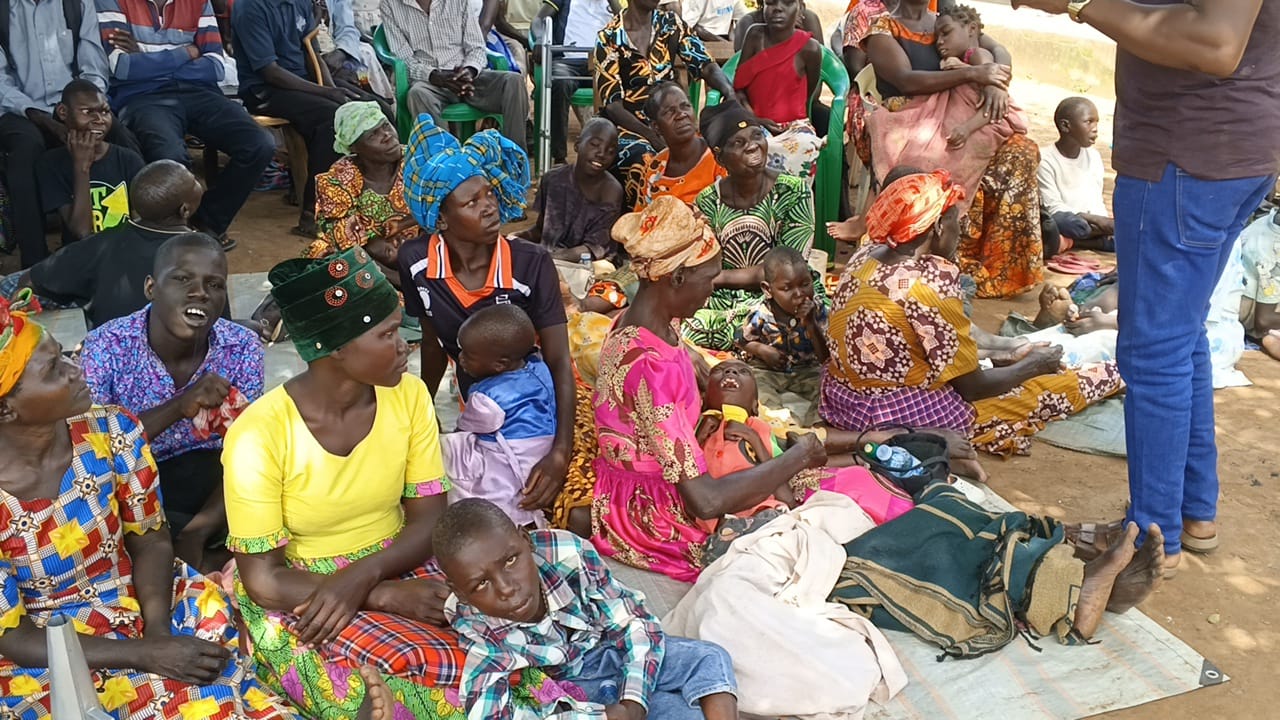
In a deeply moving event, Action of Love International reached into the lives of these families and offered more than just support. A total of 27 heifers were handed over to families of children living with disabilities, marking a powerful shift from despair to dignity.
For many parents, this was not just a donation. It was recognition. It was acceptance. It was a reminder that they are not alone.
“Some people see disability as a curse,” said Joseph Eliau, General Secretary for Elder Persons in Soroti District and a community coordinator volunteering with the organization. His voice carried both pain and pride. “But today, we are seeing parents who have chosen love over rejection. These children are not curses, they are blessings.”
Behind every child present was a story of struggle, sleepless nights, and sacrifice. Some children cannot walk. Others cannot speak. Many battle chronic illnesses like sickle cell disease, leaving them weak and constantly in need of care.
And yet, despite these challenges, their parents have stood firm.
“It is not easy,” Eliau added. “Transporting these children to hospitals, finding food, meeting their daily needs takes everything. But these parents have not given up.”
The heifers, he explained, are more than livestock. They are a lifeline. A source of milk for nutrition. A path to income. A symbol of belonging in a community where owning a heifer is a mark of pride.
As the animals were handed over, emotions ran high.
Some parents wept quietly. Others smiled through tears they could not hold back.
Jefferson Kandi, the Executive Director of Action of Love International, stood among them, visibly touched by the moment.
“My heart bleeds when I see what these families go through,” he said. “But I also see strength. I see courage. These children were given to us for a reason. We must not reject them, we must love them.”
He revealed that the need is far greater than what was seen today. Over 600 children are still waiting for wheelchairs. Many cannot go to school because there are no facilities designed to support their needs.
“They are suffering in silence,” he said. “Some are locked indoors as their caretakers struggle to survive. That must change.”
He emphasized that the organization’s mission goes beyond mobility.
“It is not just about helping them walk,” he said. “It is about helping them live. That is why we are giving heifers to change livelihoods, to fight malnutrition, and to restore dignity.”
For families like that of Nambuya Lorna, the impact is immediate and deeply personal.
“This is a blessing,” she said, holding back tears. “My child now has something of their own. We feel proud.”
Aguti Suzan, overcome with emotion, shared her daily struggle of providing milk for her child.
“I have been buying milk for so long,” she said. “But now, we have hope. This changes everything.”
For Elizabeth Orisa, a widow raising three children with disabilities, the moment felt nothing short of a miracle.
“I had no one,” she said softly. “No support. But today, I feel seen. I feel remembered. God is good.”
Even caregivers like Okwii Francis, who looks after a three-year-old child unable to talk, eat, or move, expressed deep gratitude.
“It is not easy,” he said. “But today, we feel strength again. This support means everything.”


Copyright ©Teso Vibez is a brand of Teso Vibez Digital (u) Ltd
.
