
By Our Reporter
TESO - What was meant to have transformed Teso using the Soroti Industrial Park is now a story,a tale of missed opportunity, a lingering agony,as the region steadily lags behind.
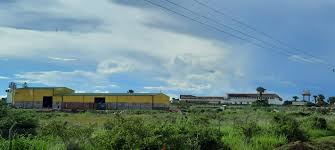
More than a decade after its establishment, the promise of industrialization in Teso remains largely unfulfilled. The industrial park, once envisioned as the anchor of economic transformation, sits on 219 acres of largely idle land. Instead of humming factories and thousands of jobs, there is silence,punctuated only by frustration from a region still waiting for change.
This reality stands in stark contrast to the success of the Sino-Uganda Mbale Industrial Park, which has grown into a vibrant manufacturing hub. With over 70 factories and more than 11,000 workers, Mbale has become the industrial heartbeat of Eastern Uganda,drawing strength from infrastructure, strategic location, and access to wide regional markets.
For Teso, the comparison is painful.
Where Mbale thrives, Soroti struggles. Where opportunity has multiplied in one, it has diminished in the other. And with every passing year, the gap widens,not just in industrial output, but in hope, livelihoods, and regional confidence.
At the heart of Soroti’s stagnation are structural challenges that have gone unresolved for too long. Land that should be fueling factories and employment has instead fallen into the hands of speculators—individuals holding plots without development, waiting to profit from resale. In doing so, they have effectively shut out genuine investors ready to build and create jobs.
The consequences are visible. Investors look at Soroti and hesitate. Faced with a choice, they turn to Mbale,where systems work, clusters exist, and returns are more certain. Soroti, meanwhile, is left behind, trapped in a cycle of inactivity and declining appeal.
But the impact goes beyond idle land.
Teso’s economy itself is being held back. Opportunities for agro-processing, manufacturing, and value addition remain untapped. Youth unemployment persists. Household incomes stagnate. A region rich in potential continues to wait for the industrial spark that was promised.
Yet the potential for revival still exists.
Government programs in the region,particularly cattle restocking and rehabilitation,offer a clear pathway to industrial growth. Facilities like the Soroti Meat Packers factory could anchor a new wave of agro-industrial activity, linking livestock production to processing, and creating a ripple effect across sectors such as leather, dairy, and animal feeds.
If properly aligned, this could transform the industrial park into more than just land,it could become the engine of a regional economic ecosystem.
But time is slipping away.
Without decisive intervention, Soroti Industrial Park risks becoming a permanent symbol of what could have been,a project that promised transformation but delivered stagnation. The longer the delay, the harder it becomes to restore investor confidence and reverse the trend.
The lesson from Mbale is clear: industrial success is not accidental. It is built through deliberate policy, functional infrastructure, investor confidence, and strong leadership. Mbale had this alignment. Soroti did not.
For the people of Teso, the cost is deeply personal.
It is seen in the young people without jobs, in farmers without markets, in families without rising incomes. It is felt in the slow fading of expectation,the quiet realization that the future once promised is taking too long to arrive.
Teso’s future does not have to slip away. But unless Soroti Industrial Park begins to deliver on its promise, that future will remain just out of reach,a vision deferred, in a region that can no longer afford to wait.
SOURCE CREDIT - skikadailynews







Copyright ©Teso Vibez is a brand of Teso Vibez Digital (u) Ltd
.
