By Nathan Eyagu
SOROTI - Leaders from the Teso sub-region have raised strong objections to the proposed Protection of Sovereignty Bill 2026, warning that its enactment could severely disrupt trade, fracture families, and undermine constitutional rights in Uganda.
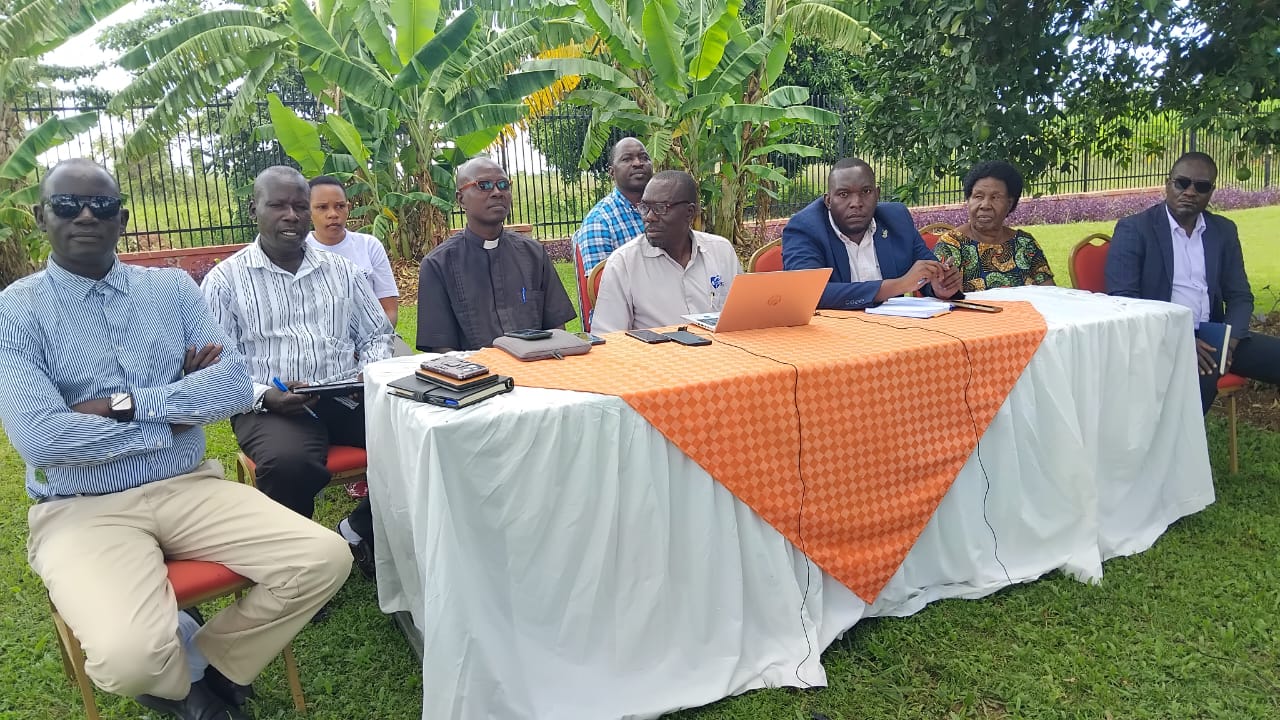
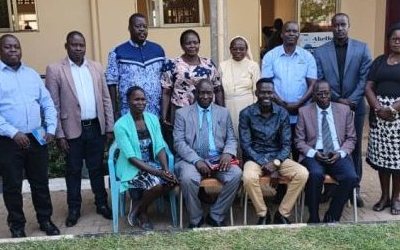
Speaking during a joint press conference in Soroti hotel in Soroti City early this week, representatives from civil society, political parties, religious institutions, and community groups described the bill as a serious threat to livelihoods and democratic governance.
The statement was presented by Benson Ekwee, Executive Director of the Public Affairs Center of Uganda (PAC), following a regional consultation that brought together stakeholders from both formal and informal sectors, including traders, farmers, artists, non-governmental organisations, and members of the diaspora.
Ekwee said the proposed law risks violating constitutional protections by redefining Ugandans living abroad as “foreign agents,” a classification he argued could strip them of their citizenship rights.
“Citizenship is a constitutional right and cannot be altered through ordinary legislation,” he said, adding that the bill contradicts Article 15 of the Constitution and existing migration frameworks.
Leaders expressed concern that the proposed provisions would directly affect millions of Ugandans working abroad whose remittances support families and local economies.
Cecilia Engole Alupo, representing Teso Women Peace Activists, said the bill could have devastating social consequences.
“If this bill is passed, many of us risk losing the support systems that sustain our homes,” she said. “Our children abroad contribute to education, healthcare, and daily survival. Cutting that link would affect entire communities.”
Beyond its social implications, the leaders warned of significant economic disruption, particularly in regions like Teso where cross-border trade plays a vital role in livelihoods.
According to the statement, businesses engaged in foreign partnerships or transactions could be required to register as “foreign agents,” a move leaders described as impractical and potentially harmful to commerce.
They noted that traders dealing with regional markets in Kenya, South Sudan, Rwanda, and the Democratic Republic of the Congo could face restrictions or penalties, including fines of up to UGX 2 billion.
“This kind of regulation risks criminalising legitimate business activity,” Ekwee said. “It sends a negative signal to investors and could suffocate local economies that depend on regional trade.”
Political leaders also criticised the bill, arguing that it could restrict civic space and weaken democratic participation.
Pascal Amuriat, Deputy President of the Democratic Front, said the legislation could be used to suppress dissent.
“There is a real danger that legitimate criticism of government policies could be labelled as economic sabotage,” he said. “That would undermine multiparty democracy and limit engagement with international partners.”
Civil society organisations and religious leaders warned that the bill could also disrupt essential services. Many NGOs and faith-based institutions rely on foreign funding to support education, healthcare, and humanitarian programmes.
Beseri Otekat, speaking on behalf of elders and religious groups, said the proposed law threatens the sustainability of church-led initiatives.
“The church plays a critical role in service delivery,” he said. “From schools to hospitals, many of these programmes are supported by partners abroad. Restricting that support will affect the most vulnerable.”
Leaders also raised concerns over provisions that would allow inspectors to enter private premises without notice, describing it as a violation of privacy rights. They further pointed to ambiguities in the bill, including unclear definitions and inconsistencies with existing legislation such as anti-money laundering laws.
In their joint position, the leaders called for the immediate withdrawal of the bill and urged the government to conduct wider consultations with stakeholders across the country.
They maintained that any legislation aimed at regulating foreign influence should target external actors rather than Ugandan citizens.
“The burden of regulation should not fall on ordinary people,” Ekwee said. “We need laws that protect national interests without undermining the rights and livelihoods of citizens.”
The leaders also announced plans to petition Members of Parliament, engage cultural and religious institutions, and pursue legal action if the bill is passed.
They urged the public and the media to closely follow the debate, warning that the outcome could have lasting implications for governance, economic stability, and national unity.