
By Nathan Eyagu
SOROTI CITY — Resident City Commissioners (RCCs) in Soroti City have intensified efforts to improve accountability in the implementation of the Parish Development Model (PDM), using community Barazas to gather information from residents about challenges and irregularities affecting government programmes.
The Barazas are being used as a platform for residents to provide first-hand information on the implementation of PDM and other government programmes, enabling the RCCs to identify gaps, address complaints and strengthen accountability at the grassroots.
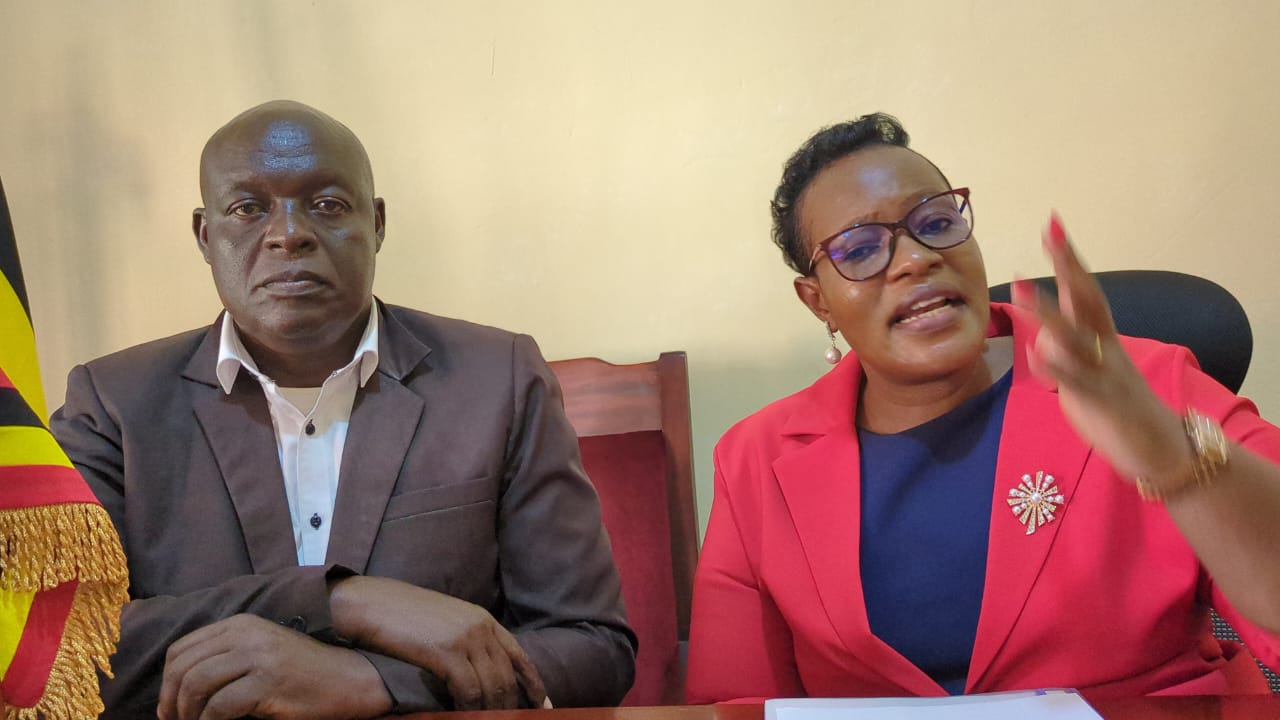
While addressing media, Blessing Saiga, Assistant RCC for Soroti City East and Central, said the engagements are important in establishing what is happening on the ground and ensuring that government programmes reach their intended beneficiaries.
Saiga warned against the creation of ghost beneficiaries, improper profiling and interference with beneficiary lists, emphasizing that PDM should benefit households that genuinely qualify for the programme.
She also cautioned against extortion, saying residents should not be charged registration fees or asked to pay “chai” to access PDM funds. Beneficiaries were encouraged to report individuals demanding money in exchange for access to the programme.
Omoding Stephen Eupa, Deputy Assistant RCC for Soroti City East, said the ongoing Barazas have already provided the RCC’s office with information about challenges faced by residents.
He cited cases of people whose names were reportedly registered as PDM beneficiaries and who received messages indicating that they had been selected, but did not receive the funds.
Eupa said such concerns demonstrate the importance of engaging directly with communities rather than relying solely on reports generated from offices.
He urged SACCO leaders and technical personnel responsible for PDM implementation to properly profile beneficiaries and closely monitor the process to prevent further mistakes.
Local council leaders were also encouraged to play an active role in identifying genuine beneficiaries and ensuring transparency in the programme.
The RCC officials reminded residents that PDM is a government programme designed to help households move from subsistence activities into the money economy.
Beneficiaries were urged to invest the funds in productive enterprises with potential markets, including piggery, poultry, dairy farming, fruits, beans and maize, rather than using the money for consumption.
The officials further reminded beneficiaries that PDM support operates as a revolving fund and should be repaid to enable other eligible households to benefit.
Eupa said the programme has already produced success stories and urged beneficiaries to use the funds responsibly to build sustainable sources of income.
The RCCs said they will continue holding Barazas to collect information directly from the public, monitor the implementation of government programmes and address challenges raised by residents.
They called for cooperation among residents, local leaders, SACCOs and technical officers to ensure that government programmes achieve their intended objectives.






Copyright ©Teso Vibez is a brand of Teso Vibez Digital (u) Ltd
.
