

By James Alomu
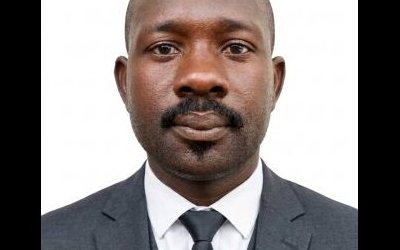
The Minister for Information at the Iteso Cultural Union (ICU), Stephen Ojacor, has strongly criticized remarks by Okadibong President Joseph Admin Opio regarding the recent reconciliation within the cultural institution, dismissing claims that the process sidelined young people.
Ojacor was responding to an opinion piece in which Opio argued that the reconciliation largely benefited elders while leaving the youth feeling excluded. Opio suggested that unity achieved without meaningful youth involvement risked being symbolic rather than sustainable.
In an interview, Ojacor defended the reconciliation as a structured and legally guided process that did not require broader public consultation. He explained that the matter had previously been before court and was resolved through formal mediation led by the Deputy Registrar of the High Court in Soroti, giving it binding legal implications.
“The reconciliation was not a public debate but a legal and cultural matter handled through proper mediation,” Ojacor said. “The elders acted within their mandate to safeguard the institution.”
The reconciliation brought together rival factions that had long divided the ICU, including one led by Papa William Aloch and the other under His Royal Highness Paul Sande Emolot, also known as Papa Emorimor. The dispute had persisted for years, creating uncertainty within the Teso cultural institution.
Ojacor described the agreement as a historic milestone that required patience, wisdom, and respect for cultural norms. He maintained that complex cultural disputes are traditionally entrusted to elders, who possess the historical understanding necessary to resolve them responsibly.
Addressing concerns about youth exclusion, the minister pointed to several initiatives under the leadership of Papa Emorimor aimed at empowering young people. He cited the ICU Education Fund and scholarship programs that have supported more than 600 students in universities and tertiary institutions.
He also highlighted the recent securing of five government-sponsored slots for students at the Soroti Flying School, describing it as evidence of the institution’s commitment to expanding educational and professional opportunities for Iteso youth.
In addition, Ojacor referenced the launch of the Akaliait Development Foundation, an initiative focused on empowering girl children through education and mentorship, as well as ongoing engagements with government and bilateral partners to create employment opportunities.
“These are concrete programs that demonstrate our commitment to the youth,” Ojacor said. “It is therefore inaccurate to suggest that reconciliation has ignored them.”
Despite the criticism from some quarters, ICU leadership maintains that the reconciliation marks a turning point for the institution and the broader Teso community. Ojacor emphasized that unity at the leadership level is essential for stability and development, adding that the focus must now shift from internal disputes to long-term growth and community empowerment.
With the reconciliation formally concluded, ICU officials say they are determined to consolidate peace within the institution and channel their efforts toward development initiatives that benefit all members of the community, including the youth.







Copyright ©Teso Vibez is a brand of Teso Vibez Digital (u) Ltd
.
