
By Nathan Eyagu
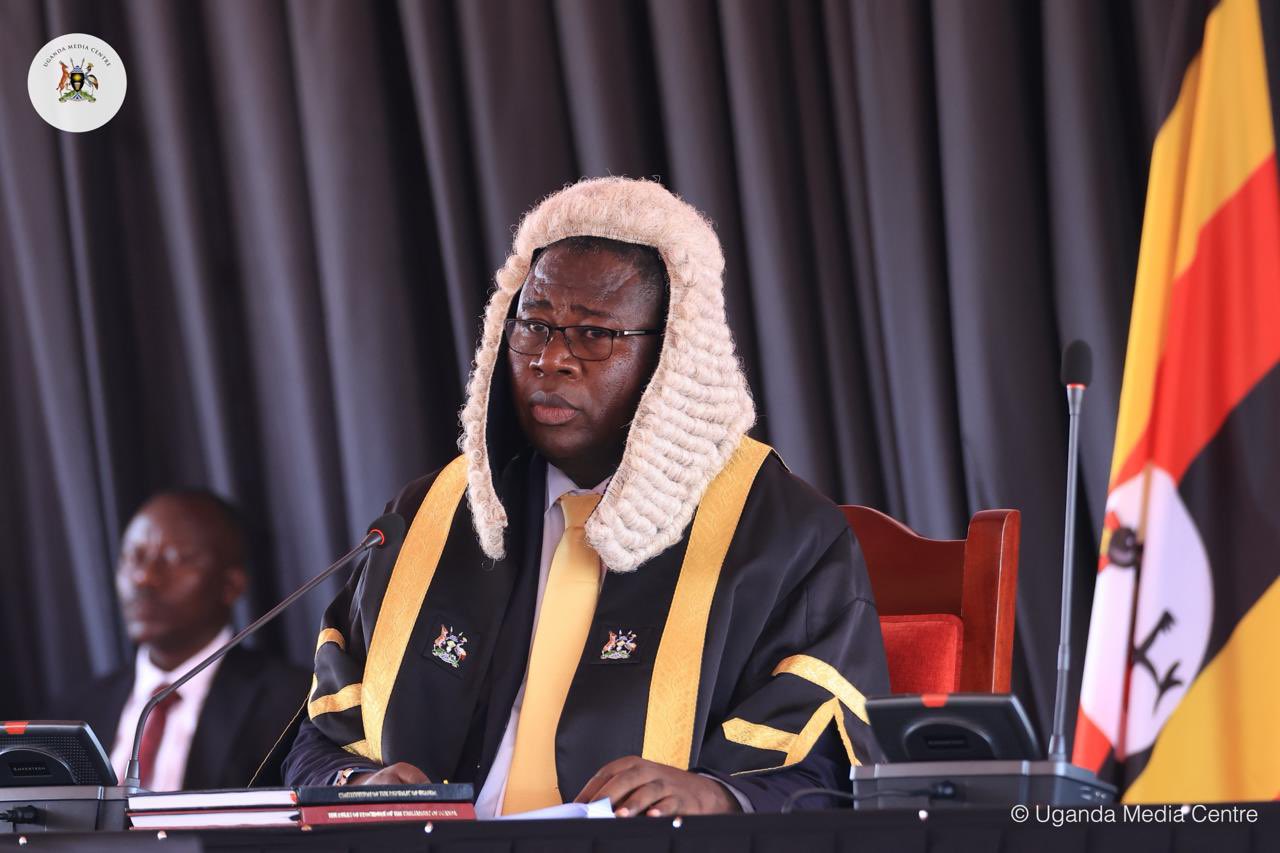
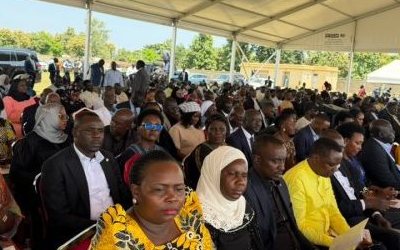
Kampala — Newly elected Speaker of Parliament Jacob Oboth Oboth has called for a major reset of Uganda’s Parliament, pledging reforms aimed at restoring public trust, strengthening accountability, and improving transparency in the House.
In his maiden speech after assuming office as Speaker of the 12th Parliament, Oboth acknowledged growing public concern over the conduct and performance of Parliament in recent years, saying the institution must now “lead by example” in promoting integrity and responsible governance.
The Speaker outlined a reform-focused agenda centred on accountability, effective oversight, and citizen-centred legislation, while promising to steer Parliament away from practices that have attracted criticism from the public.
“We pledge a corruption-free Parliament. Under my leadership, we will cultivate a culture of integrity and accountability,” Oboth said.
He stressed that Parliament must first hold itself accountable before demanding accountability from the Executive and other government institutions.
“In the next five years, we shall hold the Executive and other government bodies accountable, but we must first begin with ourselves,” he added.
Oboth also criticised what he described as “financial engineering and distortion” in the budgeting and appropriation process, promising a more results-driven approach focused on service delivery and the needs of ordinary Ugandans.
According to the new Speaker, every Bill, motion, and decision of Parliament should directly respond to the concerns of citizens rather than political or personal interests.
The Speaker further pledged to strengthen parliamentary oversight by empowering committees to act proactively in protecting public resources instead of reacting after funds are lost.
“Oversight should not be a post-mortem. We must not wait for public funds to be lost,” he told Members of Parliament.
In a notable shift in tone, Oboth also called for improved relations between Parliament and the media, arguing that journalists play a critical role in ensuring transparency and public engagement.
“The media is not our enemy, but the public’s eye. A transparent and open Parliament strengthens trust between the House and the people,” he said.
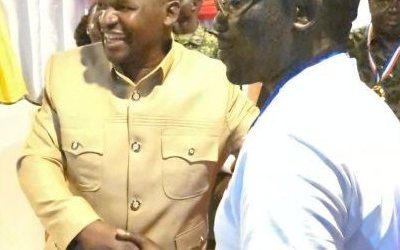
Oboth, who rose from a humble background in Muafu village in Tororo District to become Speaker, described his election as a result of “divine grace” and thanked the ruling National Resistance Movement (NRM), Parliament, and Ugandans for the confidence placed in him.
He also extended a message of unity to legislators who may not have supported his election.
“To those who may not have voted for me, I will be your Speaker too,” he said.
Political observers say the Speaker’s remarks reflect an attempt to reposition Parliament at a time when the institution has faced increasing scrutiny over accountability, public expenditure, and its oversight role.
Oboth concluded his address by assuring Ugandans that he would remain committed to humility, integrity, and service throughout his tenure as Speaker.



Copyright ©Teso Vibez is a brand of Teso Vibez Digital (u) Ltd
.
